
Finding a Vitamin C serum that doesn't cause skin to instantly flare up or break out can take years of trial and error. After researching dozens of formulas, comparing ingredient lists, and reading through hundreds of user reviews, I've narrowed down four standout options that reviewers consistently say deliver a bright glow without the irritation.

Understanding Vitamin C Derivatives vs. Pure Ascorbic Acid
Shopping for Vitamin C gets confusing fast, since there are two main options: L-Ascorbic Acid and stable derivatives.
L-Ascorbic acid is the purest form of Vitamin C. It works quickly to fade dark spots, but it comes with a major catch: it oxidizes quickly when exposed to air and light, and it can cause a stinging or burning sensation on sensitive skin.
That's why many brands use ingredients like Sodium Ascorbyl Phosphate (SAP). These derivatives tend to be more stable in the bottle, absorb more gently without the aggressive sting, and are generally considered easier on the skin barrier while still delivering a good glow.
A third option gaining attention is liposomal Vitamin C, which encapsulates ascorbic acid inside tiny lipid (fat) spheres. This delivery method is marketed to help the active ingredient survive the skin's outer barrier intact, rather than breaking down on the surface before it can absorb. Reviewers and some early research suggest this may improve how much Vitamin C actually reaches deeper skin layers compared to a standard ascorbic acid serum applied directly — though independent, large-scale studies on topical (versus oral) liposomal absorption are still limited, so it's worth treating strong "superior absorption" marketing claims with some healthy skepticism.
Affiliate & Advertising Disclosure: LumiVexa is reader-supported. When you buy through our links, I may earn an affiliate commission from Amazon Associates at no extra cost to you. I also display contextual advertisements via Google AdSense to support our independent cosmetic ingredient reviews. Please see our full Affiliate Disclosure and Privacy Policy.
This post is part of my Complete Guide to Vitamin C in Skincare — check it out for how Vitamin C works, how to introduce it safely, and what to pair it with.
Quick Comparison: Best Vitamin C Serums At-A-Glance
Use the table below to find the formula that best matches your skin type and budget.
| Brand & Product | Target Skin Type | Formula Texture & Potency | Primary Benefit |
|---|---|---|---|
| TruSkin Vitamin C | Sensitive & Aging | Gentle Radiance Light Fluid | Brightens and softens the look of fine lines without irritation |
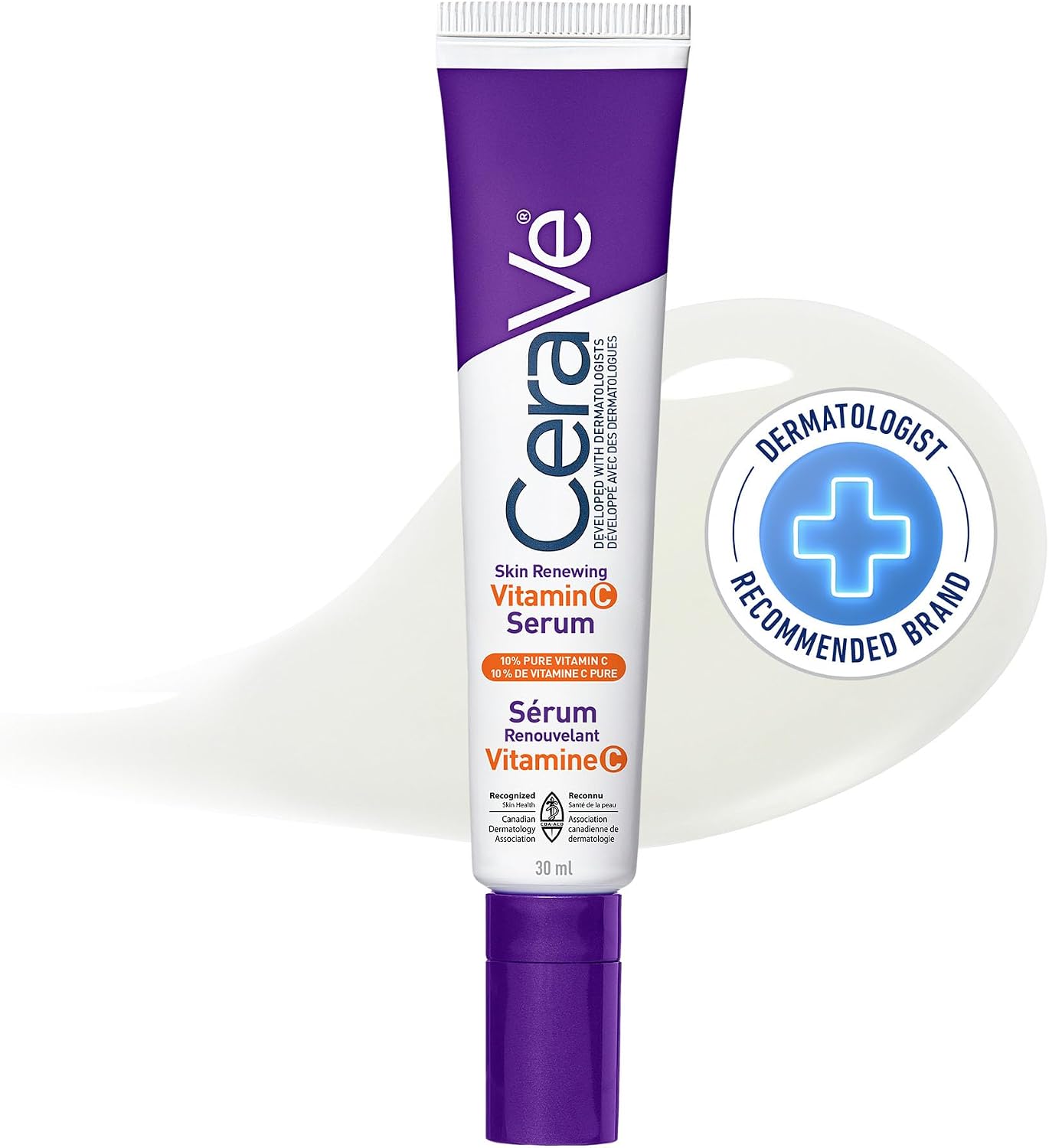
| CeraVe Skin Renewing | Dry & Irritated | Creamy Serum with Barrier Support | Supports the skin barrier with 10% Vitamin C and ceramides |
| The Ordinary 23% | Oily & Experienced | Maximum Potency Water-Free, Slightly Granular | A stronger option for anti-aging and deeper hyperpigmentation concerns |
| Garnier SkinActive | Oily & Acne-Prone | Fast Booster Formula with Yuzu Lemon Extract | Aimed at fading dark surface marks without a sticky residue |
| Clinical Resolution Liposomal 10% | Beginners & Sensitive | Liposomal Delivery Lightweight, Encapsulated | Improves absorption and reduces surface irritation vs. direct ascorbic acid |
Deep-Dive Ingredient Analysis & Product Breakdown
1. TruSkin Vitamin C Facial Serum
For sensitive skin that gets easily triggered by strong acids, this is a good place to start. TruSkin uses a gentler derivative called Sodium Ascorbyl Phosphate. Reviewers consistently mention minimal stinging, and describe the light fluid texture as sinking in quickly without leaving a sticky film.

- Uses a stable Vitamin C derivative that's less prone to quick oxidation.
- Generally gentle on acne-prone or highly reactive skin.
- Light, fluid texture layers well under heavier daily creams.
- Tends to take longer to show visible spot-fading compared to pure ascorbic acid.
- Formulated with natural plant extracts that give it a light, distinct scent.
2. CeraVe Skin Renewing Vitamin C Serum
Developed with dermatologist input, this product uses 10% Vitamin C aimed at visibly brightening dull areas, alongside ceramides, hyaluronic acid, and vitamin B5 to support the skin's protective moisture barrier.
- Contains ceramides intended to support barrier repair.
- Packaged in an opaque tube designed to help slow oxidation.
- Creamy, lotion-like texture aimed at keeping dry patches hydrated.
- Feels heavier than watery serums, which may not appeal to very oily skin types.
- The 10% concentration is on the gentler side — experienced users may prefer something stronger.
3. The Ordinary Vitamin C Suspension 23% + HA Spheres 2%
An affordable, water-free suspension delivering a high concentration of L-Ascorbic Acid. The waterless formula is designed to help keep the active ingredient more stable, while hyaluronic acid spheres are included to help plump and smooth texture.

- An accessible price point for a high, stable concentration of pure Vitamin C.
- The water-free formulation is designed to help preserve potency over time.
- Reviewers frequently report noticeable brightening within the first few weeks.
- Fair warning: reviewers frequently describe the texture as a bit unusual. Because it's water-free to keep the active ingredient stable, it's commonly described as feeling slightly gritty or powdery on first application. A tingling sensation during the first week, easing as skin adjusts, is also a common report.
4. Garnier Vitamin C Serum for Face (with Melasyl)
A lightweight, fast-absorbing booster formula containing Niacinamide, Salicylic Acid, and Melasyl. It's marketed to target dark spots, post-acne marks, and surface dullness without leaving a heavy or sticky residue. Formulas and marketed ingredient names can change, so it's worth double-checking the current label against this description before purchasing.

- Reviewers describe near-instant absorption with minimal greasy residue.
- Includes ingredients marketed to target sun spots and post-acne pigmentation.
- Affordable pricing makes it accessible for consistent, daily use.
- Contains an added citrus fragrance that may bother highly sensitive skin.
- The alcohol content can feel slightly drying if used without a moisturizer.
5. Clinical Resolution Liposomal Vitamin C 10% Serum
Unlike the standard L-Ascorbic Acid or SAP options above, this serum uses liposomal encapsulation to deliver a moderate 10% concentration of stabilized Vitamin C. The lipid-sphere delivery is designed to help the active ingredient penetrate more effectively while reducing the surface-level irritation often associated with direct ascorbic acid application.

- Liposomal encapsulation is designed to improve absorption and reduce surface irritation.
- 10% concentration offers a moderate middle ground between gentle and high-strength formulas.
- Includes hyaluronic acid for added hydration alongside brightening.
- Independent research on topical liposomal absorption (versus oral) is still limited, so treat strong marketing claims with some skepticism.
- A newer, less-established brand compared to some other picks on this list.
Best Practices for Using Vitamin C Serums
Proper storage and application methods are generally recommended to help prevent oxidation and support results:
- Morning Application: Apply a few drops to a clean face in the morning to help defend against daytime UV exposure and free radicals.
- Always Layer SPF: Always layer a broad-spectrum sunscreen (SPF 30 or higher) over your serum — Vitamin C is generally understood to work alongside sun protection, not replace it.
- Watch for Oxidation: Check the color of your serum regularly. If it turns a dark amber or muddy brown, it has likely oxidized, lost potency, and should be discarded.
- Avoid Clashing Actives: Avoid mixing or layering Vitamin C directly with Retinol or strong AHAs/BHAs in the same routine window to reduce the risk of irritation.
Want to maximize your serum's antioxidant power? Learn why combining Vitamin C with Vitamin E and Ferulic Acid can boost environmental protection: Pairing Vitamin C with Other Ingredients.
Frequently Asked Questions
Can I use Vitamin C serum daily?
Yes, daily application is generally considered safe and is often recommended for optimal results. Those with highly reactive or sensitive skin may want to start every other day and build up tolerance gradually.
How long does it take to see visible results?
Consistency is generally considered key for correcting pigmentation issues. Mild radiance improvements are often reported within 2 weeks, while a noticeable reduction in dark spots and more even skin tone typically takes 4 to 8 weeks of daily use.
Final Thoughts
Incorporating a well-chosen Vitamin C serum into a routine can support long-term skin health. Whether you go with a budget-friendly or a more advanced formulation, matching the product to your skin type is generally the best approach to finding a routine that actually works for you.