
A solid morning skincare routine does not need to be complicated to be effective. Getting the basics right, cleansing, moisturizing, and protecting, in the correct order lays the groundwork for healthier, more resilient skin, no matter what skin type is involved. Because every skin barrier has unique parameters, this guide breaks down a simple, foolproof 3-step routine and pairs each step with a beginner-friendly product recommendation. Whether the goal is calming redness, controlling shine, or simply building a consistent habit, this walkthrough removes the guesswork from starting a morning routine.

✨ Quick Summary: The 3-Step Routine Essentials
- Step 1: The Gentle Budget Cleanse: CeraVe Hydrating Facial Cleanser
- Step 2: Prebiotic Barrier Balance: La Roche-Posay Toleriane Double Repair
- Step 3: Clear Invisible UV Protection: DRMTLGY Anti-Aging Clear Face SPF 45
Understanding Your Skin Type Before Beginning
Before diving into the specific steps of a morning routine, it is absolutely vital to understand a unique skin type. Applying the wrong product configuration can trigger adverse reactions, leading to unwanted breakouts, severe flaking, or excessive oil production. A skin type is primarily determined by genetics, though it can fluctuate based on climate, hormones, age, and stress levels. Take a moment to analyze how the face feels a few hours after waking up to determine where it fits into the skin health spectrum.
Normal Skin: This skin type is beautifully balanced, experiencing neither extreme dryness nor excessive oiliness. It rarely suffers from severe sensitivity, visible pores, or persistent blemishes. If the skin feels comfortable, smooth, and resilient throughout the day, a normal skin profile is present that simply requires basic maintenance and daily protection.
Dry Skin: If the face frequently feels tight, rough, or displays visible flaking, a dry skin type is present. This occurs when the skin matrix lacks sufficient lipid production, leading to a compromised moisture barrier. Dry skin is highly susceptible to premature fine lines, dullness, and irritation, meaning a routine must focus heavily on deep hydration and moisture retention mechanisms.
Oily Skin: Oily skin is characterized by an overproduction of sebum from the sebaceous glands, often resulting in a persistent shiny appearance, enlarged pores, and a higher vulnerability to blackheads and acne breakouts. A common misconception is that oily skin does not require hydration; in reality, skipping hydration can cause the skin to produce even more oil to compensate for dehydration.
Combination Skin: This is one of the most common profiles, featuring an oily T-zone (the forehead, nose, and chin) paired with dry or normal skin on the cheeks. Managing combination skin requires a strategic approach that balances oil control in hyperactive zones while delivering rich nourishment to dry patches without causing clogging.
Step 1: Cleanse (The Foundation of Daytime Defense)
A morning cleanse is crucial to remove overnight sebum, sweat, and residue, prepping skin for treatments. It prevents clogged pores and ensures products work effectively.
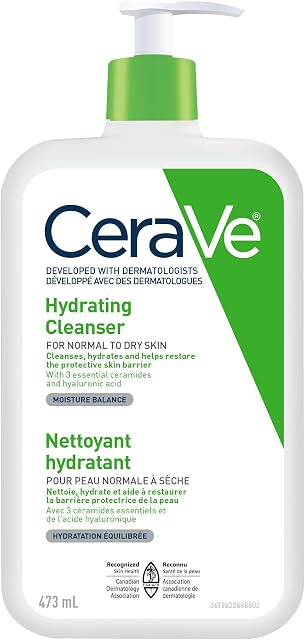
- Formulated with ceramides and hyaluronic acid to help support natural moisture.
- Fragrance-free; reviewers say it doesn't leave the face feeling tight or stripped.
- Reviewers report it works well across normal, dry, and sensitive skin types.
- Does not foam up, which might require an adjustment period if a lather is preferred.
- Not built to cut through heavy, waterproof evening makeup.

- Contains niacinamide; reviewers describe a calming effect on redness.
- Reviewers describe a lightweight lotion texture that sinks in quickly without feeling greasy.
- Reviewers report long-lasting, barrier-supporting hydration.
- Can occasionally pill if massaged over thick water-based serums too quickly.

- Reviewers report minimal to no white cast across a range of skin tones.
- Formulated with hyaluronic acid and niacinamide; can double as a makeup primer.
- Oil-free and labeled non-comedogenic.
- Provides a distinct dewy glow, which very oily skin profiles may want to set with powder.
The Simple AM Routine Sequence Blueprint
🎯 The Master Rule: Thin to Thick Layering
To maximize absorption and prevent cosmetic pilling, daytime products must be applied in order of molecular weight. Lighter, water-based solutions must always precede heavy, emollient textures to allow target active compounds to penetrate the skin barrier effectively.
- Cleanse: Massage a gentle, non-stripping cleanser onto a damp face using lukewarm water, then rinse completely and pat dry with a clean towel.
- Moisturize: Apply a dime-sized layer of prebiotic fluid cream evenly across the cheeks and neck contours to trap hydration and prevent moisture evaporation.
- Protect: Smooth a generous amount of broad-spectrum hybrid sunscreen over the entire face as the absolute final step to establish an invisible shield against UV rays.
Frequently Asked Questions
Allowing each layer roughly 60 to 90 seconds to fully sink into the skin matrix prevents product pilling. Ensuring the face feels dry to the touch before smoothing on sunscreen guarantees that defensive UV filters set uniformly.
A morning wash is highly recommended to sweep away accumulated sweat, cellular debris, and trace evening treatments. For extremely dry skin profiles, a gentle lukewarm water rinse can occasionally suffice to protect delicate baseline lipids.
Yes, but care must be taken to prevent irritation. Pairing stable chemical compounds like Niacinamide or Hyaluronic Acid alongside daytime antioxidants is highly effective, whereas combining multiple acidic formulations simultaneously must be avoided.
Medical Disclaimer: The skincare information provided here is intended strictly for general educational and routine-building purposes. This content is written from a place of personal interest in skincare and beauty, not professional or clinical expertise, and reflects ingredient research and publicly available reviews rather than firsthand product testing. Individual results vary based on specific skin barriers, allergies, and environmental factors. Always perform a patch-test behind the ear before introducing new skincare brands or active ingredients into a daily vanity regimen. If an individual experiences unexpected burning, flaking, or irritation, discontinue use immediately and consult a board-certified dermatologist.
Product photography mockups and promotional assets featured within my shopping lists are sourced from official manufacturer catalogs or accessed via authorized Amazon Associates marketing channels.