
Korean beauty trends have transformed the global skincare industry, and Korean hair care is now becoming just as popular. From scalp-focused routines to nourishing ingredients and gentle formulas, Korean hair care products are generally designed to support long-term hair health rather than just masking damage on the surface. By treating the scalp with some of the same precision and layering techniques traditionally reserved for facial skincare, this approach aims to address strand health closer to the root.
Whether you're dealing with dryness, thinning, frizz, oily roots, or dull strands, Korean hair care offers a range of approaches built around hydration, scalp balance, and long-term hair wellness. The general philosophy isn't just coating the hair shaft in heavy silicones to hide split ends, but supporting the strand from the follicle outward.
Want the fuller picture on K-Beauty? See my K-Beauty Guide: Skincare, Hair, and Rituals for how the same principles apply across skincare, hair, and traditional rituals.
Affiliate & Advertising Disclosure: This post contains affiliate links. If you make a purchase through these links, I may earn a small commission at no extra cost to you. Read the full Affiliate Disclosure.
- What makes Korean hair care distinct from standard treatments
- The primary benefits of a layered, preventative hair routine
- Common Korean hair care ingredients and botanical extracts
- A rundown of well-known Korean hair care products for different hair types
- How to build a Korean-inspired hair routine at home
- Tips for maintaining healthy hair and managing sebum
This table acts as a guide in choosing the right product:

Why Korean Hair Care Is So Popular
Korean hair care tends to focus on prevention, hydration, and long-term scalp health rather than waiting until strands are severely damaged. Instead of relying on heavy silicone sealants for temporary shine, many Korean formulas lean on lighter, nutrient-dense ingredients aimed at hydrating the scalp without leaving a heavy residue that can contribute to excess oil.
1. Scalp-First Approach
Healthy hair starts with a balanced scalp environment. Because the scalp has a higher density of hair follicles and oil glands than the face, it benefits from its own dedicated care. Korean routines often address this with micro-exfoliating scrubs, soothing toners, scalp serums, and low-pH shampoos designed to preserve the scalp's natural acidity.
2. Gentle, Bio-Active Ingredients
Many Korean formulations move away from harsher surfactants in favor of traditional Hanbang botanical roots, fermented ingredients, proteins, ceramides, and amino acids. These are generally positioned to support the hair cuticle over time rather than offer a purely surface-level fix that washes out.
3. Lightweight Hydration
Traditional hair repair products often lean on thick, oily textures or synthetic waxes that can weigh down fine hair. Korean formulas tend to use lighter moisture matrices that coat the cuticle without heaviness, aiming for the smooth, light-reflective look sometimes called "glass hair," while keeping natural volume more intact.
4. Layered Routines
Mirroring the multi-step philosophy of facial skincare, this approach relies on layering products in a specific order: preparing the scalp, clarifying buildup, working repair ingredients into the strand, and finishing with a layer meant to help protect against environmental stress.
Common Hair Problems Korean Hair Care Helps With
Dry and Damaged Hair: Ingredients like cold-pressed argan oil, camellia seed oil, low-molecular-weight keratin, and hydrolyzed plant collagen are commonly used to help fill in structural gaps along fragile strands, which may help reduce mid-shaft breakage and support split ends caused by frequent heat styling or bleaching.
Hair Thinning and Volume Loss: Scalp-focused ingredients such as biotin, caffeine, rosemary leaf extract, and red ginseng are often included to support the appearance of fuller, healthier-looking hair. Some research suggests ingredients like caffeine and rosemary may help support scalp circulation, though claims about directly extending the hair growth cycle should be treated cautiously and aren't something a cosmetic product can promise.
Frizz and Surface Dullness: Hydrating emulsions are designed to smooth rough, raised cuticle scales, helping hair resist humidity-driven swelling, flyaways, and static, while giving a glossier surface finish.
Oily Roots and Sebum Buildup: Tea tree oil, bamboo charcoal, peppermint leaf extract, and gentle salicylic acid scrubs are commonly used to cleanse the scalp without over-stripping moisture, which can help roots feel cleaner for longer.
Sensitive and Irritated Scalps: Many K-beauty formulas move away from harsher surfactants like sodium lauryl sulfate (SLS) in favor of gentler, plant-derived cleansing bases with centella asiatica (Cica), allantoin, and aloe vera, aimed at calming itchiness, flaking, and redness.
Popular Korean Hair Care Ingredients
A cornerstone of Hanbang herbal tradition. Its active compounds, ginsenosides, are believed to help support blood flow to the scalp, which may aid nutrient delivery to hair follicles.
A water-soluble B-vitamin involved in keratin production. It's commonly included to help support hair's structural strength and reduce breakage from daily brushing.
A lightweight botanical oil rich in oleic fatty acids and antioxidants, traditionally used across East Asia. It coats the cuticle to help lock in moisture and add shine without feeling heavy.
Small protein fragments designed to penetrate porous, damaged hair. They're commonly used to help fill in structural gaps along weak, color-treated, or chemically compromised strands.
A natural ingredient with antimicrobial properties, often used to help break down styling product residue and buildup around the follicle, which can help reduce itching and flaking for some people.
A traditional East Asian hair ingredient containing inositol, along with amino acids and vitamins E and B. It's commonly used to help refine coarse texture and support tensile strength in porous hair.
Top Korean Hair Care Products
1. Elizavecca CER-100 Collagen Coating Hair Protein Treatment

One of the more talked-about Korean hair treatments for dry, damaged strands. Its ceramide and hydrolyzed collagen formula is positioned to help repair over-processed cuticles while improving silkiness and manageability.
What Reviewers Say: The mask has a dense, salon-treatment-like texture. Reviewers with porous, damaged hair frequently describe it coating strands thoroughly rather than rinsing straight out, and note that after around a 10-minute treatment, hair feels noticeably smoother, with less friction during detangling and reduced frizz once dry.
- Reviewers report a real difference in the texture of chemically treated hair.
- Helps thick, tangled strands detangle more easily.
- An accessible price point for a heavier-duty protein treatment.
- A protein-rich formula — overusing it (more than a couple times a week) can leave hair feeling stiff.
- The squeeze-tube size runs small for very long hair.
2. Ryoe Korean New Root Volume Shampoo
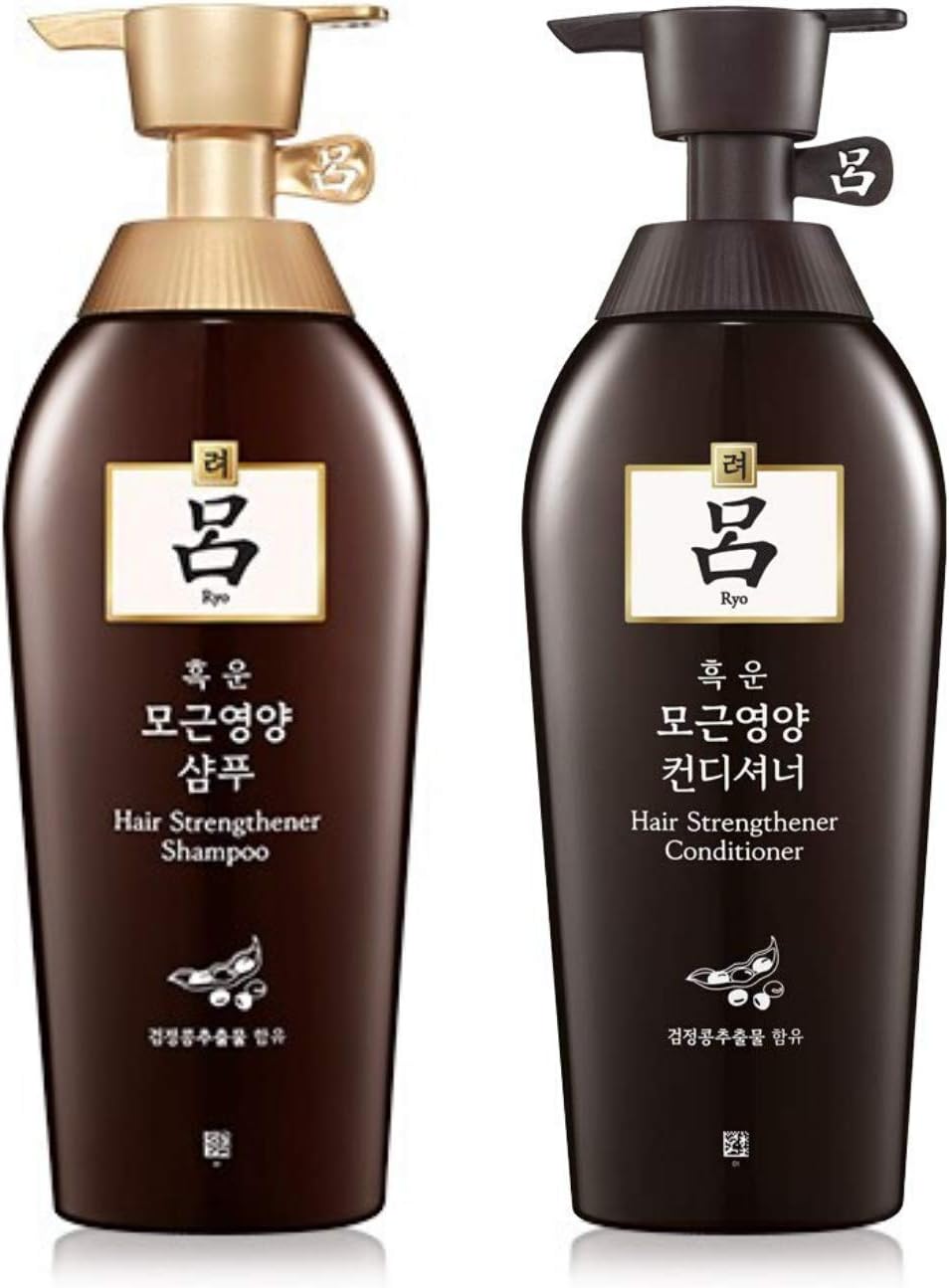
One of Korea's well-known scalp-focused shampoos, positioned to support a cleaner root environment using traditional botanicals, without over-stripping hydration.
What Reviewers Say: Reviewers describe a rich amber formula that lathers well and leaves a cooling sensation on the scalp, attributed to mint and tea tree. Those with fine hair prone to flattening report that it helps lift oil and product buildup at the root, giving a fuller look post-blowdry — though "holds volume for 48 hours" is a specific durability claim worth treating as anecdotal rather than guaranteed.
- Ginseng, caffeine, and ginger root are included to support the scalp environment.
- Tea tree and mint give a refreshing, cooling scalp feel.
- Camellia and green tea oils help maintain softness without weighing fine hair down.
- Has a strong, traditional herbal ginseng scent that lingers.
- Can feel a little too clarifying if your ends are heavily bleached.
3. Mise En Scène Perfect Serum Original

A well-known lightweight smoothing serum aimed at restoring shine to porous hair and offering some thermal protection during heat styling, without the heavier feel of silicone-based Western hair oils.
What Reviewers Say: Reviewers describe a slick, honey-like texture that spreads easily and doesn't feel heavy on fine hair. It's commonly used before heat styling and is reported to cut down styling time and reduce static and flyaways, leaving hair with a glossier finish.
- A multi-oil blend (Argan, Camellia, Marula, Jojoba) for added sleekness.
- Non-sticky texture that doesn't weigh hair down.
- Reviewers note it noticeably speeds up dry styling time.
- The 80mL bottle runs out fast with frequent daily use.
- The pump nozzle doesn't have a travel lock.
4. Daeng Gi Meo Ri Ki Gold Premium Shampoo

A well-known herbal shampoo brewed with traditional Hanbang plant extracts, combining gentle cleansing with hydrolyzed keratin proteins aimed at reducing brittleness along the hair shaft.
What Reviewers Say: True to its Hanbang roots, this shampoo has a dark amber color and an earthy ginseng scent. Reviewers with chemically treated hair describe a thick, cushiony lather that feels soothing on a dry or irritated scalp, and note the keratin content leaves hair feeling softer post-rinse, closer to a light conditioning treatment.
- Ginseng and wild green tea are included for scalp nourishment.
- Keratin content is reported to help reduce mid-shaft splitting.
- A rich lather that reviewers say lifts styling residue well.
- The dark herbal formula can stain light-colored shower tile if not rinsed well.
- Can feel heavy on very fine or thinning hair.
5. Aromatica Rosemary Root Enhancer
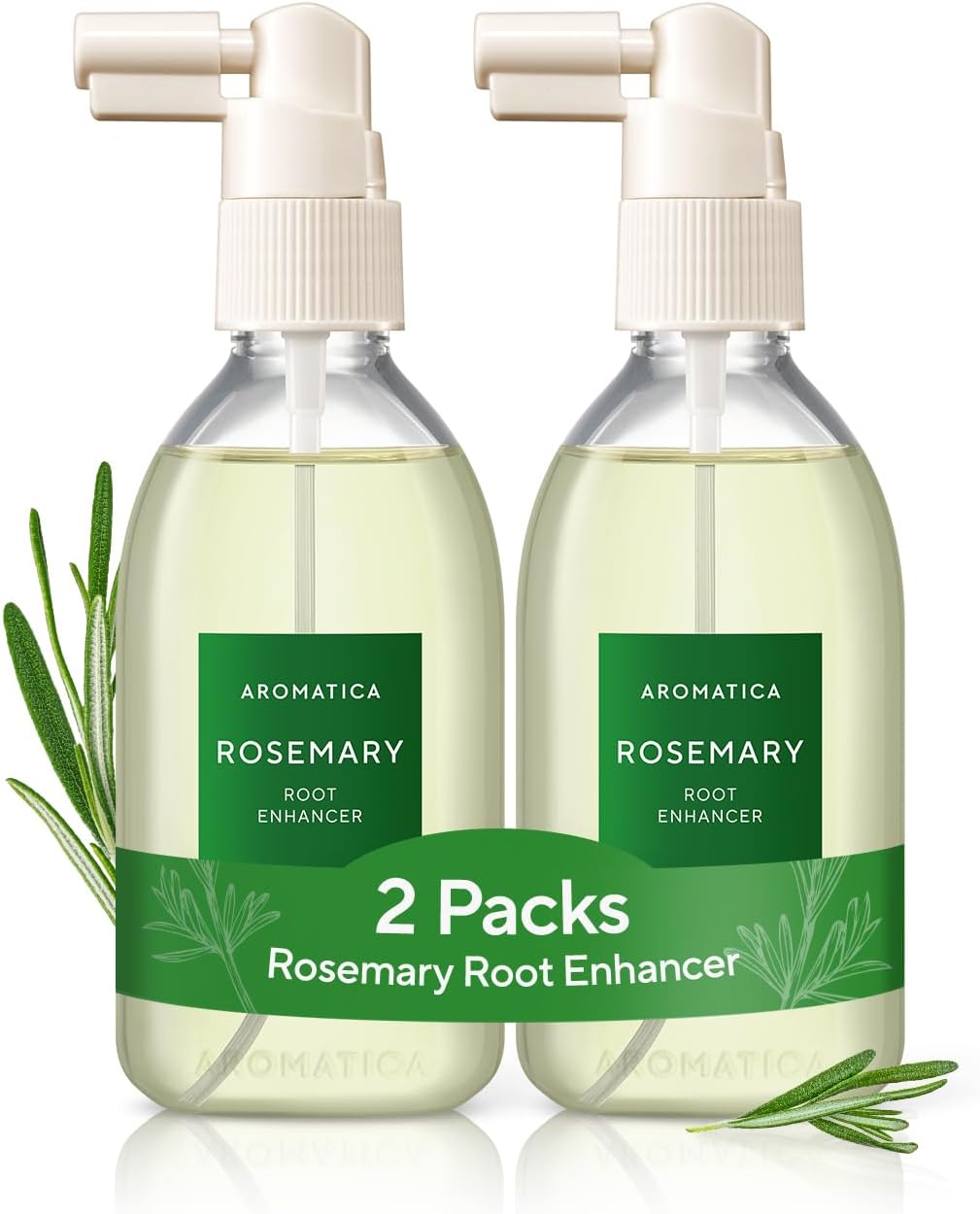
A lightweight scalp tonic spray built to deliver botanical extracts directly to the follicle, offering a cooling feel while helping keep the scalp environment comfortable.
What Reviewers Say: The directional nozzle is designed to target the roots rather than the hair lengths. Reviewers describe it absorbing quickly without residue, with a cooling sensation that feels good on an itchy or inflamed scalp. It's commonly used as a midday refresher for flattened roots, though results on oil control and root lift will vary by hair type.
- Rosemary, caffeine, and biotin are included to support the scalp environment.
- Lightweight, non-greasy spray that won't weigh down fresh roots.
- Includes ingredients marketed to help clarify buildup.
- Has a noticeable rosemary scent that lingers for a while.
- Works best massaged into the scalp directly, rather than just misted over hair.
6. Dr. Groot Hair Thickening Shampoo

One of the most talked-about Korean scalp-care shampoos right now, built around biotin and rosemary oil to help visibly volumize hair from the root while hydrating the scalp.
What Reviewers Say: Reviewers with fine or thinning hair frequently mention a noticeable lift at the roots after just a few washes, along with a calmer, less irritated scalp. Some note the lightweight formula doesn't weigh hair down the way heavier volumizing shampoos can.
- Biotin and rosemary oil combination targets both volume and scalp health.
- Free from parabens, silicones, and sulfates.
- Suitable for color-treated hair.
- Results build gradually — most reviewers note visible changes after consistent use over several weeks.
- Some find the herbal scent stronger than typical Western shampoos.
Korean Hair Care vs. Traditional Hair Care
One reason Korean hair care has gained global attention is its emphasis on longer-term repair over quick cosmetic coverage. Traditional Western hair care often leans on synthetic polymers and silicones that coat split ends for immediate softness, but can trap dehydration underneath over time.
Korean hair care products tend to favor lighter delivery systems and bio-available lipids that hydrate without a heavy film, aiming to preserve natural flexibility and texture across multiple days of styling.
Another distinction is the scalp-first philosophy — treating the scalp as an extension of facial skin, with its own network of oil glands and follicles. Because a healthy hair bulb affects the strength of the strand that grows from it, keeping the scalp clean and pH-balanced is treated as a priority rather than an afterthought.
Common Hair Care Mistakes to Avoid
1. Excessive Heat Styling: Frequent, unprotected use of flat irons, curling wands, and high-heat blow dryers can break down hydrogen bonds within the hair's keratin structure over time, causing the cuticle to lift and crack — contributing to dryness, rough texture, and split ends.
2. Overwashing: Washing daily with harsher surfactant shampoos can strip the scalp's natural oil layer. Some believe this can trigger a rebound increase in oil production to compensate, though this idea is debated in dermatology — either way, over-stripping can leave hair feeling dry at the ends while roots get oily faster.
3. Neglecting Scalp Exfoliation: Letting product residue, dead skin, and natural oil build up at the follicle can contribute to irritation, itching, flaking, and — over the long term — may play a role in thinning for some people.
4. Heavy Product Layering: Applying too much leave-in cream, wax, or oil can weigh hair down, attract more dirt and buildup, and eventually require harsher clarifying treatments that can be tough on color-treated hair.
A Layered Korean Hair Care Routine
- Scalp Pre-Cleansing: Once a week, use a scalp scaler or mild salicylic acid rinse to help soften sebum buildup and clarify the follicle base without disrupting the skin's moisture balance.
- Low-pH, Sulfate-Free Cleansing: Use a low-pH, amino-acid-based shampoo to help maintain the scalp's natural acid mantle and keep the cuticle closed during washing. Work it into the roots with a soft scalp brush.
- Protein Treatment: Once or twice a week, swap your regular conditioner for an intensive protein treatment. Focus it on the mid-lengths and ends, leaving it on for 10–15 minutes before rinsing.
- Cuticle Conditioning: Apply a lightweight, oil-based conditioner from mid-shaft to ends to help seal the cuticle and lock in the previous step's treatment, resisting humidity and static.
- Scalp Tonic: Towel-dry gently, then mist a lightweight leave-in tonic — look for rosemary, biotin, ginseng, or caffeine — directly onto the scalp, massaging it in to help support the root environment.
Tips for Maintaining Healthy Hair Naturally
- Eat nutrient-dense foods with omega-3 fatty acids, zinc, iron, and biotin, which support hair health from within.
- Use a lightweight thermal protectant before blow-drying or heat styling.
- Get regular trims every 8 to 12 weeks to remove split ends before they travel further up the strand.
- Stay hydrated — overall hydration supports the body's natural cell renewal processes.
- Sleeping on a silk or satin pillowcase can help reduce friction damage to fragile cuticles.
Are Korean Hair Care Products Worth Trying?
In my view, a Korean hair care approach is worth trying if you'd rather build toward sustainable hair health than rely on quick cosmetic fixes. Traditional treatments often rely on silicone coatings that wash away in a single cycle, while K-beauty formulations tend to focus on the cuticle and the surrounding scalp environment together. Whether your main concern is postpartum thinning, bleach damage, chronic flakiness, or dry, frizzy strands, a scalp-first mindset can offer meaningful benefits with consistent use over time.
Final Thoughts
Healthier hair tends to come from treating the roots with some of the same care and layering you'd give your facial skin. Focusing on gentle cleansing, targeted protein treatments, and regular scalp exfoliation can support your hair's natural volume, elasticity, and shine over time. As you build your own routine, aim for consistency, choose lightweight ingredients suited to your hair's porosity, and let scalp comfort guide your product choices.
Medical & Scalp Safety Disclaimer: The content in this article is for general educational and informational purposes only and does not constitute medical advice. This content is written from a place of personal interest in hair and beauty, not professional or clinical expertise, and reflects ingredient research and publicly available reviews rather than firsthand product testing. Many Korean hair care products contain concentrated herbal extracts, active proteins, and essential oils (such as tea tree, mint, and rosemary) that can cause scalp irritation, allergic reactions, or contact dermatitis in some individuals. Always perform a localized patch test before introducing a new formula to your hair or scalp routine. If you're experiencing significant hair loss, persistent scalp flaking, chronic itchiness, or open lesions, please consult a board-certified dermatologist, trichologist, or other qualified healthcare professional. LumiVexa assumes no liability for adverse reactions resulting from the use of products reviewed on this site.