
Hair shedding, thinning, and sluggish growth are incredibly frustrating concerns that affect millions of people. While the commercial hair care market is flooded with synthetic chemical serums and expensive hair-loss treatments, a growing number of individuals are turning to botanical alternatives. Among these natural remedies, rosemary oil has emerged as a promising, research-backed option worth considering.
Far from being just a trending social media fad, the relationship between rosemary oil and hair follicle stimulation is rooted in formulation chemistry. Watching more hair down the drain than usual can be incredibly stressful, and I know how overwhelming it is to sift through expensive chemical serums. That is why I wanted to dive into the real science behind rosemary oil, share what the research and reviewer experiences suggest compared to medical treatments, and break down the top formulas on the market to save you time and money.
Disclaimer: This independent research guide contains affiliate links. If you make a purchase through these links, I may earn a small commission at no extra cost to you. Read my full Affiliate Disclosure.
The Science of Scalp Stimulation
- Primary Active Compound: Carnosic Acid (Antioxidant & Tissue Healer)
- Mechanism: Associated with increased cellular turnover and micro-capillary blood circulation
- Comparable To: Showed comparable hair count results to 2% Minoxidil in one 2015 randomized trial (100 participants) — not an established medical equivalent
- Ideal Hair Profiles: Fine, thinning hair, or dry, inflamed scalps
How Rosemary Oil Stimulates Hair Growth
To understand why rosemary oil is thought to help, it helps to look closely at cellular biology. The plant extract's active component, carnosic acid, is associated with anti-inflammatory and antioxidant properties in laboratory research. When massaged regularly into the skin, it's thought to help calm micro-inflammation within scalp tissue and support circulation to surrounding blood vessels.
By supporting micro-capillary blood circulation, the oil is believed to help deliver oxygen and nutrients to the base of the hair follicle. This is theorized to support a prolonged anagen (growth) phase, potentially encouraging dormant follicles to produce new hair strands while helping reduce premature shedding.
Rosemary Oil vs. Minoxidil: What the Data Shows
What makes rosemary oil interesting in the world of holistic beauty is that it has actually been studied against a conventional treatment. In a widely cited 2015 randomized trial, researchers compared the topical efficacy of whole rosemary oil against 2% Minoxidil (the leading over-the-counter medication for androgenetic alopecia) over a six-month period (source).
The results showed that both groups experienced a comparable, statistically significant increase in hair count by the end of the six months, with the rosemary oil group reporting less scalp itching than the minoxidil group. It's worth being clear-eyed about the limits here: this was one relatively small trial (100 participants), while minoxidil has decades of larger-scale research and FDA approval behind it. Rosemary oil is a promising, gentler option worth exploring, especially for those who don't tolerate minoxidil well, but it isn't a proven substitute for medical treatment in more significant hair loss.
Top Reviewed Formulations for Real Performance
1. Mielle Rosemary Mint Scalp & Hair Strengthening Oil
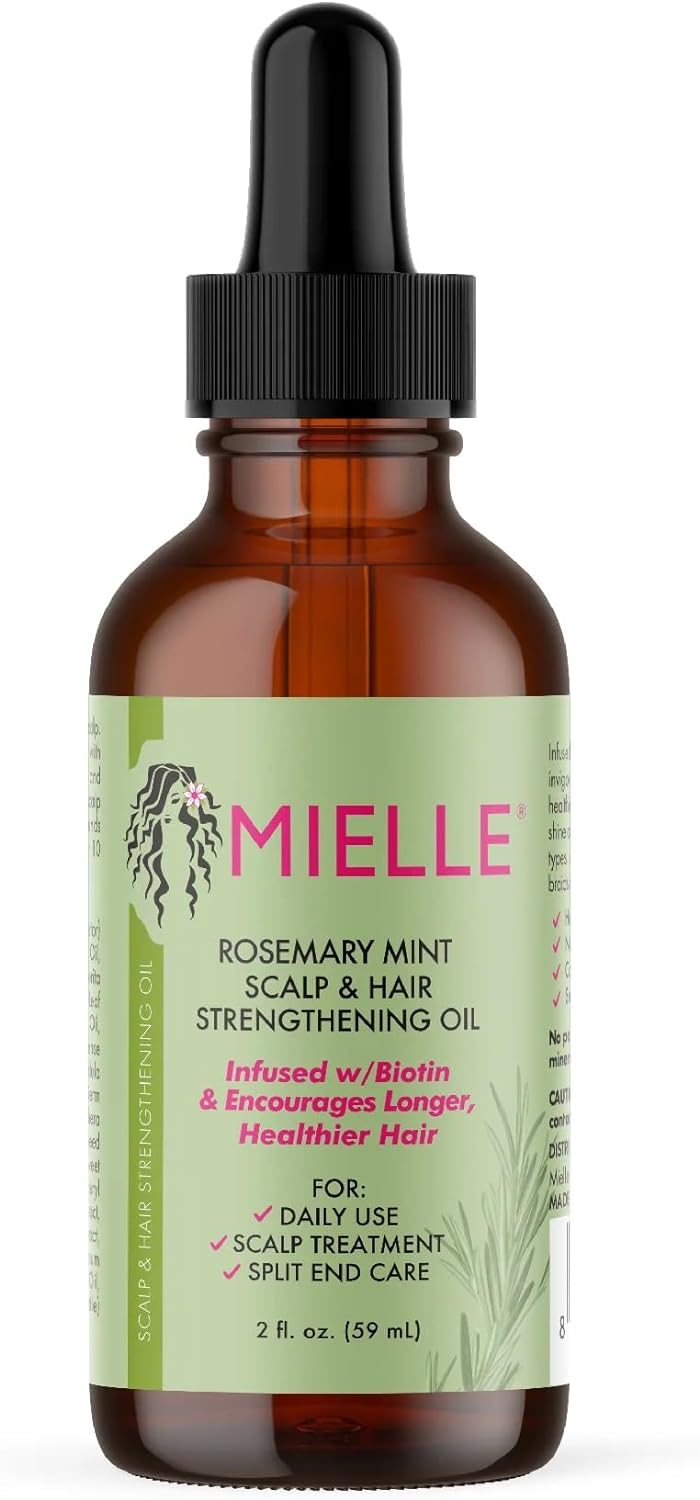
The Mielle Rosemary Mint Scalp & Hair Strengthening Oil is a highly concentrated, pre-diluted serum infused with biotin and a complex blend of over thirty essential oils. This formulation is designed to target brittle strands, split ends, and dry scalps.
Worth Knowing: This formula relies heavily on dense carrier oils like soybean and castor oil, giving it a rich, thick viscosity. Reviewers describe it as working well as an overnight deep-conditioning treatment for coarse, thick, or curly hair types. For fine, thin hair, many recommend applying it as a 30-minute pre-shampoo mask with a thorough double-rinse, to avoid the heavy base weighing down roots.
2. Botanic Hearth Rosemary Oil for Hair Growth
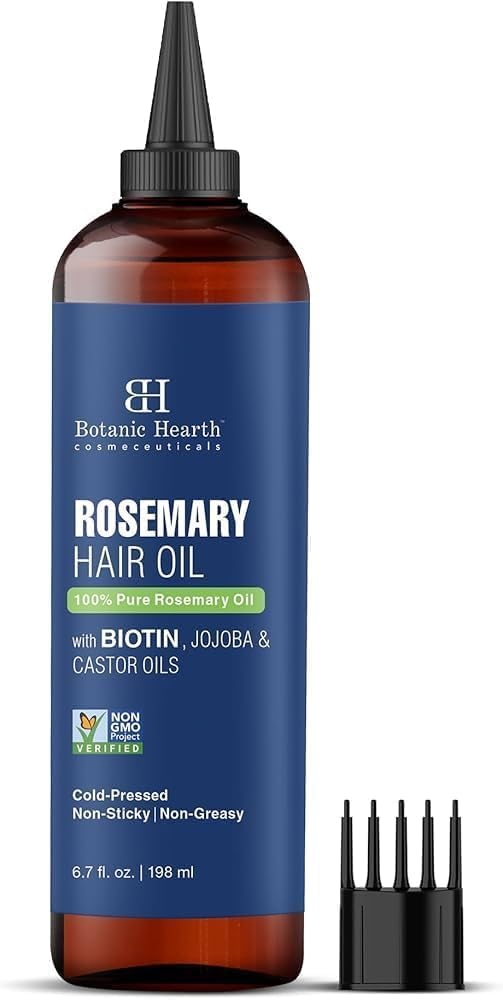
For those seeking a pure, cold-pressed alternative, the Botanic Hearth Rosemary Oil blends natural rosemary extract with protective carrier oils like jojoba and castor oil, formulated to help soothe surface inflammation.
Worth Knowing: Reviewers frequently note how quickly this formula sinks into the scalp compared to the heavier Mielle option, thanks to its jojoba oil base, which is lightweight and closer to skin's natural oils, without leaving behind a sticky, greasy film. A commonly praised feature is the targeted root-applicator nozzle included with the bottle, which lets users apply the oil directly onto precise spots — like along the hairline or crown — without disturbing the rest of the hairstyle. It's also reported to rinse out completely in a single wash, making it easy to work into an everyday or every-other-day routine.
Performance Comparison Scorecard
Note: "Absorption Rate" reflects how reviewers commonly describe each formula's texture and feel, not a measured or tested metric.
| Product Name | Best For | Key Carriers | Absorption Rate |
|---|---|---|---|
| Mielle Organics | Thick / Coarse Hair & Severe Dryness | Soybean, Castor, Jojoba | Slow / Rich Balm |
| Botanic Hearth | Fine / Thinning Hair & Targeted Roots | Jojoba, Castor Oil Base | Fast / Lightweight |
How to Safely Apply Rosemary Oil for Best Results
Consistency matters most for seeing measurable changes in hair density over time. Here's a step-by-step application method commonly recommended:
Frequency: Apply the treatment 2 to 3 times per week. Overnight results shouldn't be expected; the 2015 rosemary oil study measured its results at the six-month mark, so most sources suggest giving any routine several months of consistent use before evaluating results.
The Massage Method: Dispense 4 to 6 drops of your chosen pre-diluted oil blend directly onto your fingertips. Part your hair and work the product across your scalp using firm, circular motions with the pads of your fingers (avoid using your nails). Massage for a full 5 minutes to mechanically stimulate blood flow.
The Wash Window: Allow the treatment to rest on your scalp for at least 30 to 60 minutes before jumping into the shower. If you have an exceptionally dry scalp, you can leave it on overnight by wrapping your hair in a silk bonnet. Rinse thoroughly with a clarifying shampoo to keep your scalp clean and free of residue.
Medical Disclaimer: The information provided in this article is for educational and informational purposes only and should not be construed as professional medical or dermatological advice, diagnosis, or treatment. This content is written from a place of personal interest in hair care and beauty, not professional or clinical expertise, and reflects ingredient research and publicly available sources rather than firsthand clinical evaluation. Always seek the advice of your physician or other qualified health provider with any questions you may have regarding a medical or scalp condition. Never disregard professional medical advice or delay seeking it because of something you have read on this website.