
Ever wonder what actually happens inside a bottle of a favorite nail lacquer? This breakdown covers the science behind the shine and rounds up the best options for an at-home salon finish.

The Science of Nail Polish: How It Is Made and What Is Inside
Modern nail polish, inspired by early 20th-century automotive paint, uses nitrocellulose for a durable, high-gloss finish (source). Key ingredients are blended into four essential pillars:
1. Film Formers (The Backbone)
Nitrocellulose creates the hard layer, while supporting ingredients prevent it from being brittle.
2. Plasticizers and Resins (The Flex Factor)
These ensure flexibility and adhesion to prevent chipping. Older formulas commonly relied on toluene sulfonamide/formaldehyde resin (TSFR) for this job, but it's also one of the most common nail polish allergens (source) — which is exactly why it's one of the ingredients "X-Free" formulas below are built to exclude.
3. Solvents (The Liquid Carrier)
Ingredients like ethyl and butyl acetate allow for smooth application, evaporating to leave behind the color and film.
4. Pigments and Suspensions (The Color)
Mineral pigments and polymers provide color and ensure a stable, uniform suspension.
Understanding the Different Types of Nail Polish
Market options include classic, air-drying lacquer, and UV/LED-cured gel polishes that create a hard, long-lasting finish. Modern formulas also emphasize "X-Free" (3-Free to 15-Free) options, excluding chemicals like formaldehyde and toluene in favor of safer alternatives. These labels aren't regulated or standardized industry-wide, so the exact chemicals excluded can vary from brand to brand (source).
Grab a Toolkit: Step-by-Step Salon Manicure at Home
✨ A Quick, Loving Prep Secret
Please never apply polish over oily nails! Lingering hand creams or natural oils create a slick barrier that stops lacquer from sticking. Giving each nail a fast swipe with rubbing alcohol first ensures the base coat grips tightly, helping the color stay chip-free for days.
- Shape and Smooth: Clip nails to the preferred length, then use a fine-grit file to shape the edges. Always file gently in one direction rather than sawing back and forth to keep the tips from splitting.
- Softener and Cuticle Care: Apply a drop of cuticle remover to the base of each nail, letting it sit for a minute. Take a wooden orange stick or a stainless steel pusher and softly slide the dead tissue back. Avoid cutting cuticles, as they act as a natural shield to keep bacteria away.
- The Cleanse Swipe: Wash hands thoroughly to remove any residue, then dry them completely. Grab a lint-free pad soaked in isopropyl alcohol or nail dehydrator and wipe every nail plate to remove hidden surface oils.
- Anchor with a Base Coat: Apply a single thin layer of a high-quality base coat. This step is essential because it acts like double-sided tape for color while protecting natural nails from dark polish stains.
- Paint with the Three-Stroke Method: Wipe excess polish off the brush. Place a drop near the center base of the nail, push it back slightly toward the cuticle line, and glide forward to the tip. Repeat on the left side, then the right. Apply two thin coats for complete, uniform coverage, letting it rest for two minutes between layers.
- Lock It in and Cap the Edges: Finish with a high-shine top coat to seal the polish matrix. Swipe the brush horizontally across the very front edge of the nail tips. This tiny capping step builds a strong defensive wall against daily typing and chipping!
Top Product Recommendations
Key selection factors for at-home kits include consistent performance, ingredient safety, and color payoff.

- Wider, easy-glide brush design makes streak-free application simple and efficient.
- Vegan formula; reviewers describe a professional, mirror-like shine.
- Can take up to 15 to 20 minutes to fully air-dry down to the base layer.

- Incredible budget value with 20 mini color shades and 3 separate top/base coats included.
- Reviewers report chip-resistant, mirror-shine wear lasting several weeks when cured properly.
- Requires a separate purchase of a UV/LED curing lamp to harden the gel layer.
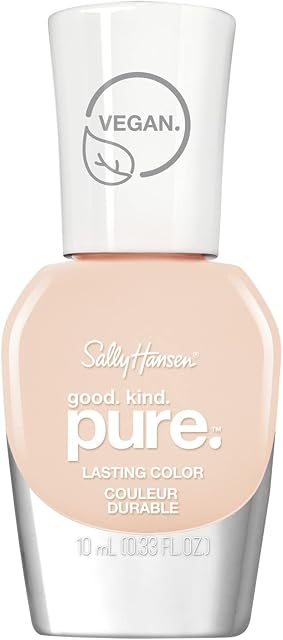
- Formulated with sustainable bamboo and marine algae extracts.
- Rich, earthy color palette with smooth, self-leveling capabilities.
- Slightly shorter chip-resistance window compared to traditional chemical-heavy lacquers.
- The brush can occasionally pick up excessive product, requiring careful wiping before application.

- Exceptionally rich, one-coat pigment payoff in nearly every shade.
- A wide, salon-trusted shade range updated with seasonal collections.
- Priced higher than typical drugstore lacquers.
- Standard (non-gel) formula still requires full air-dry time like other classic polishes.

- Smooth, self-leveling formula minimizes streaking during application.
- A salon-standard brand trusted for consistent, long-lasting gel wear.
- Requires a UV/LED lamp to cure, like other gel systems.
- Some shades may require two coats for full opacity.
Tips for a Salon-Grade Application
To ensure the formula performs at its highest capability, preparation is key. Wiping the natural nail plate with isopropyl alcohol prior to application helps strip away lingering surface oils that can interfere with adhesive polymers. Sealing the free edge of the nail horizontally with the top coat brush builds a durable barrier against daily chipping and wear.
Frequently Asked Questions
Not entirely — headlines can make this sound more dramatic than it is. As of September 1, 2025, the EU banned one specific ingredient called TPO (a photo-initiator chemical that helps gel polish cure under UV/LED light) after it was classified as a reproductive toxicant based on animal studies. Gel manicures themselves aren't disappearing; brands are shifting to alternative photo-initiators instead. The U.S. FDA has not restricted TPO, so this change currently affects EU (and soon UK) salons and product listings, not U.S. shoppers.
Gel polish typically lasts two to three weeks without chipping, thanks to the UV/LED-cured formula creating a harder, more durable finish. Regular lacquer, by comparison, usually holds up for about five to seven days before showing wear, since it air-dries rather than cures into a hardened layer.
Medical & Cosmetic Safety Disclaimer: The information provided in this article is intended strictly for general educational, design-inspiration, and informational purposes. This content is written from a place of personal interest in nail care and beauty, not professional or clinical expertise, and reflects ingredient research and publicly available reviews rather than firsthand product testing. It does not resemble, substitute, or replace professional medical advice, clinical diagnosis, or therapeutic treatment paths for skin or nail conditions.
Individual skin chemistry varies, and certain chemical compounds found in cosmetic formulas can trigger allergic contact dermatitis or respiratory sensitivity. Performing a localized patch test when trying new formulations is highly recommended. Review the full physical packaging label if hidden sensitivities are present, and consult a board-certified dermatologist or podiatrist if persistent nail plate damage, skin irritation, or localized allergic reactions are observed.
Product photography mockups and promotional assets featured within this shopping list are sourced from official manufacturer catalogs or accessed via authorized Amazon Associates marketing channels.